
18 2 月
A Dubai Chocolate Bar and the Global Pistachio Market
In an increasingly interconnected world, where trends can ignite and spread globally within days, the economic impact of cultural phenomena is becoming profoundly evident. A recent, compelling illustration of this dynamic is the rise of the “Dubai chocolate” bar and its unexpected ripple effect on the global pistachio market. What began as a local delicacy, a chocolate bar filled with crispy knafeh pastry, pistachio creme, and tahini, quickly transcended its origins to become a viral sensation, particularly on platforms like TikTok . This digital phenomenon, driven by aesthetic appeal and a taste for novelty, has not only cemented the bar’s status as a cultural export but has also significantly altered the economic landscape for a seemingly unrelated commodity: pistachios.
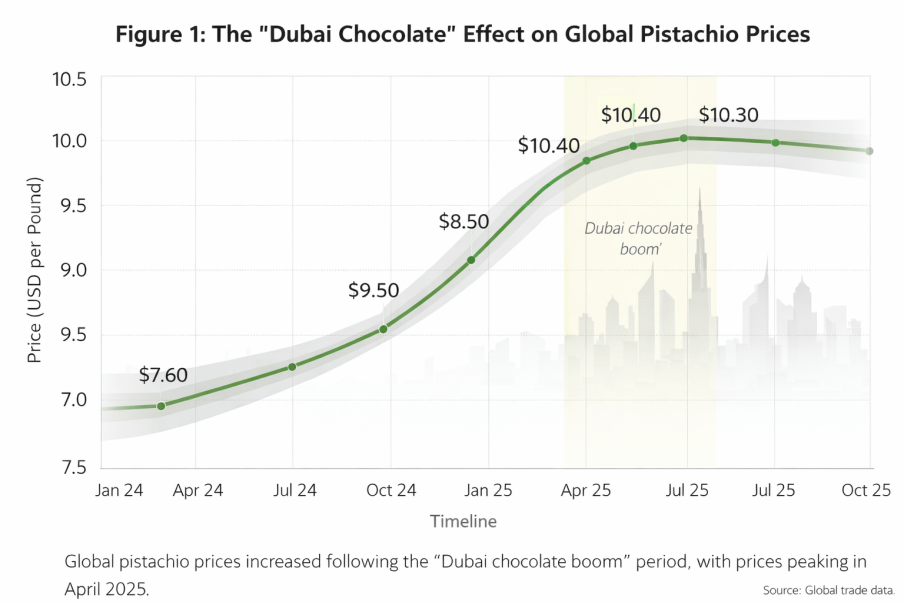
The surge in demand for this particular confection, launched in 2021 by Fix Dessert Chocolatier, led to an unprecedented scramble for its key ingredient. As a direct consequence, the price of pistachios primarily sourced from the United States and Iran witnessed a remarkable increase of approximately 35% in the year leading up to fall 2025 . This dramatic price hike underscores a critical lesson in modern economics: cultural trends, amplified by social media, possess the power to reshape supply and demand dynamics, turning niche products into global market movers. The following chart illustrates the rapid ascent of pistachio prices in the wake of the Dubai chocolate craze:
The Anatomy of a Cultural Commodity Boom
The “Dubai chocolate” phenomenon is not an isolated incident but rather a potent case study in how cultural shifts can translate into tangible economic impacts on commodity markets. Several factors contribute to this dynamic:
- Viral Amplification: Social media platforms act as powerful accelerators, transforming local trends into global sensations almost overnight. The visual and experiential nature of food, in particular, makes it highly susceptible to viral spread.
- Perceived Exclusivity and Authenticity: Products that carry a unique cultural narrative or a sense of exoticism often command higher perceived value. The “Dubai” branding lent an aura of luxury and distinctiveness to the chocolate, making it more desirable.
- Supply Chain Sensitivity: Many commodities, especially agricultural products like pistachios, have relatively inelastic supply in the short term. A sudden, unexpected spike in demand can quickly outstrip existing supply, leading to sharp price increases.
- Brand Proliferation: Once a trend gains traction, other brands quickly enter the market with their own versions, further intensifying demand for the core ingredients. The Dubai chocolate trend saw numerous iterations from major confectioners, exacerbating the pistachio shortage .
This interplay of cultural appeal, digital dissemination, and market fundamentals creates a fertile ground for commodity booms. The challenge, and indeed the opportunity, lies in identifying potential cultural exports and strategically positioning them to capitalize on this global appetite for unique experiences and products.
Bangladesh’s Untapped Cultural Export Potential
Bangladesh, a nation rich in cultural heritage and diverse agricultural produce, possesses a wealth of products that could potentially follow a similar trajectory to the “Dubai chocolate.” The key lies in leveraging Geographical Indication (GI) status, enhancing branding, and implementing effective economic diplomacy. As of February 2024, Bangladesh had secured GI status for 31 products, with over 45 potential products identified, yet none have been exported with their GI tag, indicating a significant untapped potential.
Among Bangladesh’s notable GI-certified products are the iconic Jamdani Sari, the highly prized Hilsa fish, the succulent Khirsapat Mango, and the exquisite Rajshahi Silk. Newer additions include Nakshi Kantha (traditional embroidered quilt), Sweet Betel Leaf of Rajshahi, and Date Molasses of Jessore [2]. These products embody unique cultural narratives, traditional craftsmanship, and distinct regional characteristics that could resonate with global consumers seeking authentic and high-quality goods.
Potential Candidates for Cultural Export Boom:
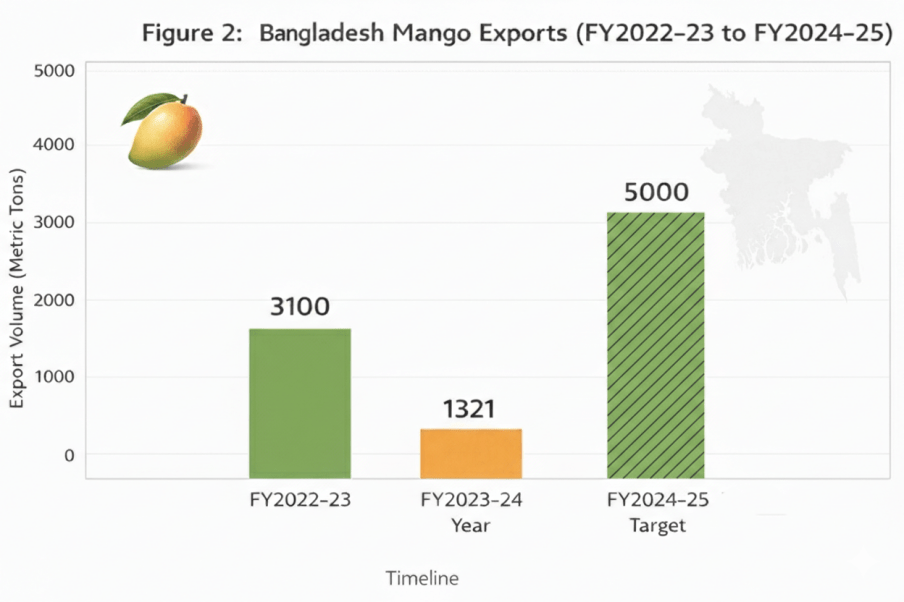
Khirsapat Mango: Bangladesh is a significant mango producer, and its exports saw a 66% increase in 2025, reaching 2,194 tons. Experts believe the country has the potential to export up to 8,000 tons with proper support. The Khirsapat mango, with its GI status, could be positioned as a premium, culturally significant fruit, much like specific varieties of Japanese or Indian mangoes command high prices in international markets. The following chart illustrates the growth in Bangladesh’s mango exports:
- Hilsa Fish: The national fish of Bangladesh, Hilsa, is deeply embedded in Bengali culture and cuisine. It has a market value of $1.74 billion, contributing significantly to Bangladesh’s fish production . By promoting its unique taste and cultural significance, Hilsa could transcend its regional appeal to become a sought-after delicacy in global gourmet markets, particularly among the Bengali diaspora and adventurous food enthusiasts.
- Jamdani Sari: This traditional hand-woven textile is renowned for its intricate patterns and delicate craftsmanship, recognized by UNESCO as an Intangible Cultural Heritage of Humanity. Positioning Jamdani as a luxury fashion item, emphasizing its artisanal origins and cultural narrative, could elevate its global market presence beyond ethnic wear.
- Date Molasses (Gur) of Jessore: This natural sweetener, with its distinct flavour and traditional production methods, could appeal to the growing global demand for natural, unrefined, and ethically sourced food ingredients. It could be marketed as a gourmet alternative to conventional sweeteners, highlighting its unique taste profile and cultural heritage.
Product Diversification: Beyond Raw Commodities
To truly capitalize on global trends, Bangladesh must look beyond exporting raw or minimally processed goods and embrace product diversification. This involves innovating new product forms and applications that cater to international tastes and convenience, while retaining the authentic cultural essence. The “Dubai chocolate” success was not just about pistachios, but about a novel combination that resonated with consumers. Bangladesh can apply similar ingenuity to its GI products:
4. Khirsapat Mango Innovations: While fresh mango exports are growing, processed forms offer higher value and extended shelf life. Imagine mango mousse-filled candies or gourmet mango leather (amshotto), perhaps seasoned with a spicy-tangy blend akin to Mexican mango snacks with Tajin. This transforms a seasonal fruit into a year-round, globally appealing confection or snack

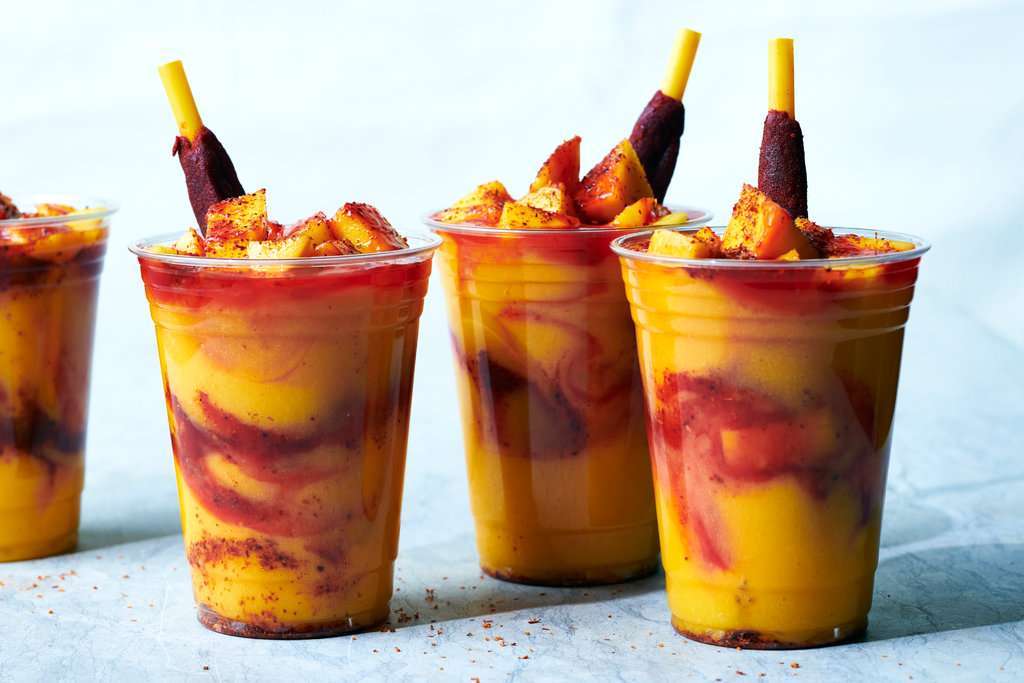
Image: Mango with Tajin seasoning and Mango Fruit Leather
5. Canned Hilsa for Global Palates: Hilsa, while revered fresh, has limited reach due to perishability. Developing high-quality canned Hilsa, similar to premium kipper snacks or sardines, could open up vast international markets. This would allow consumers worldwide to experience its unique flavor conveniently, extending its cultural footprint.
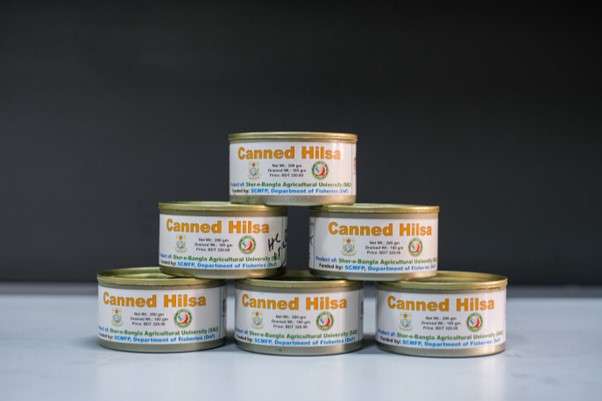
Image: Canned Hilsha developed by Sher-e-Bangla Agricultural University (SAU)
6. Jessore Date Molasses as a Premium Sweetener: Beyond its traditional use, Jessore Gur can be marketed as a natural, artisanal alternative sweetener for coffee, desserts, or even in health-conscious products. Its distinct caramel notes and natural origins can appeal to consumers seeking authentic, less-processed ingredients.
7. Black Bengal Goat in Haute Cuisine: The lean, flavorful meat of the Black Bengal goat is already gaining recognition in niche culinary circles. Promoting it as a premium, ethically sourced meat for high-end restaurants and tasting menus, as some Italian chefs are already doing, could establish a luxury market segment. This positions the goat not just as livestock, but as a gourmet ingredient.
8. Betel Leaf Ice Cream: One underexplored example of Bangladesh’s exportable food identity is betel leaf ice cream, a modern twist on the familiar paan flavor profile. It sits at an interesting intersection of tradition and novelty: the sensory signature is instantly recognizable in South Asia, yet unusual enough in global markets to function as a “discovery product.” For Bangladesh’s produce-export narrative, this matters because it demonstrates how value addition can convert a culturally specific ingredient into a scalable, higher-margin format.
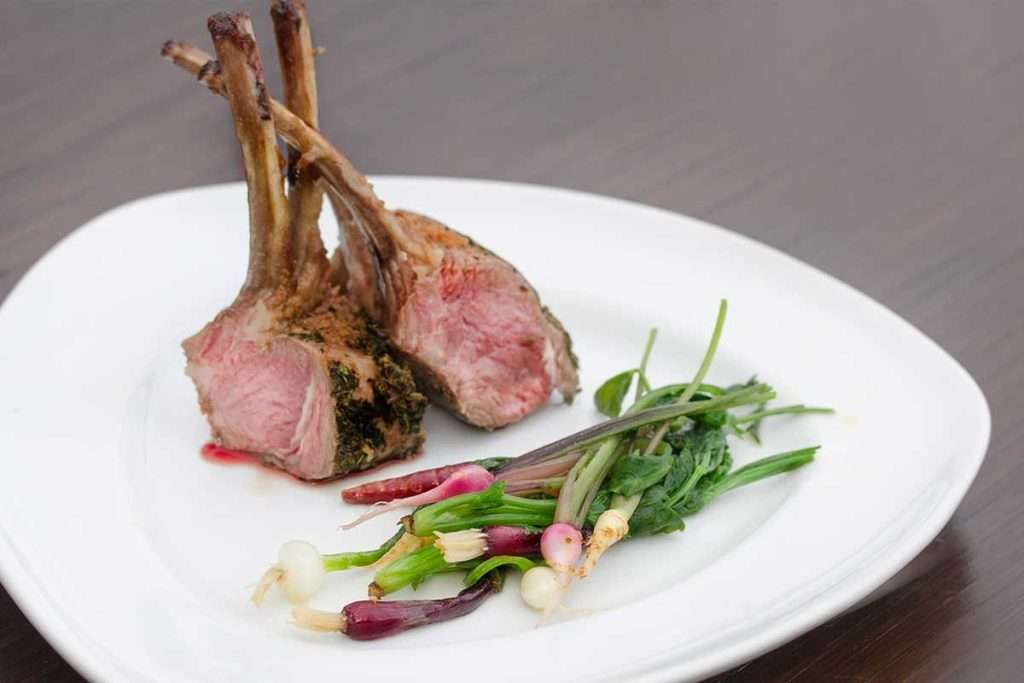
Image: Lamb Rack in Haute Cuisine
Commercially, betel leaf ice cream is best understood not as a GI product today, but as a trend-responsive export candidate. Ice cream itself is logistically demanding, yet the product can be engineered into export-friendly forms: premium frozen tubs for diaspora retail, single-serve novelty formats for foodservice, or even shelf-stable flavor components (betel leaf extract, syrup, or paste) that international manufacturers can use. The strategic advantage is that it leverages a distinctly Bangladeshi taste anchor while fitting into global patterns of demand for “exotic” flavors that travel well on social media.

Image: Paan Ice Cream from India
Strategies for Capitalization
Since 2023, the story of Bangladesh’s produce exports has become more nuanced. On paper, the GI system is moving forward: registration is becoming more structured, and the pipeline is clearer than it was a few years ago. But the export outcome is increasingly shaped by what happens after registration. In practice, commercialization depends on whether Bangladesh can enforce GI rules, maintain consistent product specifications, and run an export-ready supply chain that holds quality from farm to packhouse to border. A label can open a door, but it does not keep the door open if buyers experience inconsistency in grading, residue compliance, treatment protocols, packaging, or delivery times.
At the same time, the global demand environment has also changed. Food demand is increasingly influenced by short, platform-driven cycles, where a trend can go global in weeks and reshape procurement behavior quickly. Viral food formats can raise demand for specific ingredients and create sudden price movements, which then ripple across manufacturers, retailers, and even restaurants in multiple markets. The recent “Dubai chocolate” phenomenon is a good example of how a trend can boost demand for a particular input and create a global pull effect far beyond the country where the trend began.
For Bangladesh, these two shifts point toward a dual export strategy.
The first track is a GI-led pathway that is steady and defensible. This is the route for products where Bangladesh can credibly claim a distinct origin story and a differentiated sensory profile, and where producers can collectively commit to quality rules. The goal here is not simply to get more products registered. The goal is to use GI as a mechanism for premiumization, so that Bangladesh can build trust with buyers, protect reputation, and earn a price premium that can be sustained over time. That requires governance. It also requires enforcement against misuse, clear standards, and a real system of verification that exporters and buyers can rely on.
The second track is a faster, trend-responsive pathway. This is less about heritage branding and more about readiness and speed. It focuses on the kinds of produce that can scale through generic export channels or through processed formats that travel well, such as frozen pulp, aseptic puree, dried slices, concentrates, or other shelf-stable variants. This track is about spotting demand signals early, matching specifications quickly, and moving product through cold chain and compliance checks without delay. It is also about reducing the risk of spoilage and rejection, which is often what breaks momentum when exporters try to respond to a sudden opportunity.
Taken together, this dual approach can help Bangladesh move from occasional success stories to repeatable export lanes. The GI track builds long-term brand and premium markets. The trend-responsive track captures short windows and converts them into stable buyer relationships by delivering consistent quality, on time, in the formats that global markets can absorb.
Beyond these approaches, to transform these cultural assets into economic powerhouses, Bangladesh needs a multi-pronged strategy:
- Robust Branding and Marketing: Move beyond simply exporting raw commodities. Develop sophisticated branding that tells the story of each product, highlighting its GI status, cultural significance, and artisanal quality. This involves professional packaging, digital marketing campaigns targeting global consumers, and collaborations with international chefs and fashion designers.
- Quality Control and Certification: Strict adherence to international quality standards and robust certification processes are crucial to build trust and command premium prices in global markets. This is particularly important for food items like mangoes and Hilsa.
- Economic Diplomacy: Actively use the GI status in trade negotiations and international forums to protect and promote Bangladeshi products. This involves advocating for fair trade practices and combating imitation products.
- Infrastructure Development: Invest in cold chain logistics for perishable goods like mangoes and Hilsa, and improve production capacities to meet potential surges in international demand.
- Tourism and Cultural Exchange: Integrate the promotion of these products with cultural tourism initiatives, allowing international visitors to experience the origin and craftsmanship firsthand, thereby building deeper connections and appreciation.
The current export value of Bangladesh’s GI products is approximately $1.44 billion, but with strategic interventions, this could be doubled. The following pie chart illustrates the current and potential export value of Bangladeshi GI products:
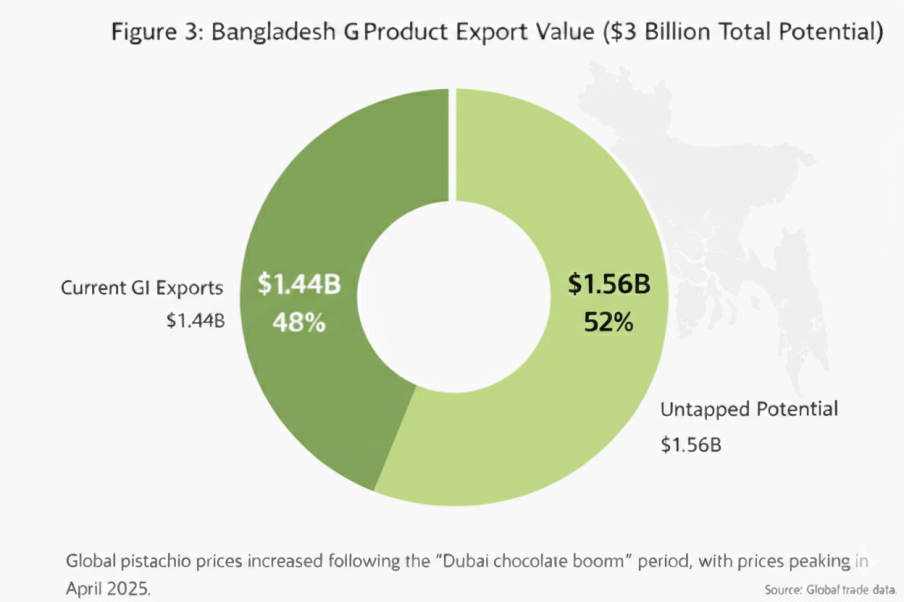
The above pie chart does not tell the whole story, the potential for Bangladesh’s GI produce can be much higher if taken strategically. Since 2023, Bangladesh’s produce export opportunity has become more complex: GI registration is progressing, but real export growth depends on enforcement, consistent specifications, and export-ready logistics, not labels alone. At the same time, global demand is increasingly shaped by fast viral food trends that can quickly shift ingredient demand and prices. Bangladesh therefore needs a dual strategy: a long-term GI pathway to build trusted premium products, and a faster trend-responsive pathway that emphasizes processed formats, rapid compliance, and reliable cold chains to turn short market windows into sustained export channels.
Conclusion
The “Dubai chocolate” phenomenon serves as a compelling reminder that in the globalized economy, cultural trends are not merely ephemeral fads but powerful drivers of economic change. For nations like Bangladesh, with a rich tapestry of unique cultural products, this presents an unparalleled opportunity. By strategically leveraging Geographical Indications, investing in branding, ensuring quality, and engaging in proactive economic diplomacy, Bangladesh can transform its cultural heritage into a significant source of export revenue, allowing its unique flavors and craftsmanship to find their place on the global stage, much like a pistachio-filled chocolate bar from Dubai. The sweet taste of cultural influence, it seems, is a potent ingredient for economic growth.
References
- Begum, Ferdaus Ara. 2025. “Post-LDC Strategy: Unlocking Export Potential of GI Products through Diversification.” The Business Standard, September 20, 2025.
- Bangladesh Sangbad Sangstha (BSS). 2025. “Bangladesh to Export 4,000 Tonnes Mangos: Official.” BSS (Business), June 17, 2025.
- Khan, Kabir Ahmed. 2025. “Bangladesh to Make Record in Production, Export of Mango.” BSS (News Flash), April 27, 2025.
- Halder, Sukanta. 2025. “Mango Exports Rebound as Quality, Production Improve.” The Daily Star, September 23, 2025.
- Robinson, Nicholas. 2025. “Why Is There a Pistachio Nut Shortage for Dubai Chocolate?” FoodNavigator, April 24, 2025.
- Thorpe, Vanessa. 2025. “TikTok Trend for ‘Dubai Chocolate’ Causes International Shortage of Pistachios.” The Guardian (Observer archive), April 19, 2025.
- Financial Times. 2025. “Dubai Chocolate Sparks Pistachio Shortage as TikTokers Go Nuts.” Financial Times. (Paywalled; bibliographic details not fully visible.)
- FoodNavigator. 2025. “Dubai Chocolate Craze Causes Global Pistachio Shortage and Scams.” April 22, 2025. https://www.foodnavigator.com/Article/2025/04/22/the-international-dubai-chocolate-pistachio-shortage/
- The Financial Express. n.d. “GI Products & Bangladesh’s Economic Diplomacy.” The Financial Express. https://thefinancialexpress.com.bd/views/gi-products-bangladeshs-economic-diplomacy
- FreshPlaza. 2025. “Bangladesh Mango Exports Rise 66% in 2025.” September 24, 2025. https://www.freshplaza.com/europe/article/9768379/bangladesh-mango-exports-rise-66-in-2025/
- Frontiers in Marine Science. 2025. “Impact Evaluation of Hilsa Fishery Restoration in Bangladesh.” January 29, 2025. https://www.frontiersin.org/journals/marine-science/articles/10.3389/fmars.2024.1437783/full