
28 Dec
Bangladesh’s industrial parks are entering a critical phase as the circular economy, eco-industrial parks, sustainable industrialization, and green manufacturing move to the center of global industrial policy.
With Export Processing Zones (BEPZA), Economic Zones (BEZA), BSCIC industrial estates, and hi-tech parks facing rising energy costs, climate risk, and ESG-driven trade rules such as carbon border adjustment mechanisms, the shift toward resource efficiency, zero liquid discharge, waste valorization, rooftop solar, net metering, and smart industrial parks is becoming unavoidable.
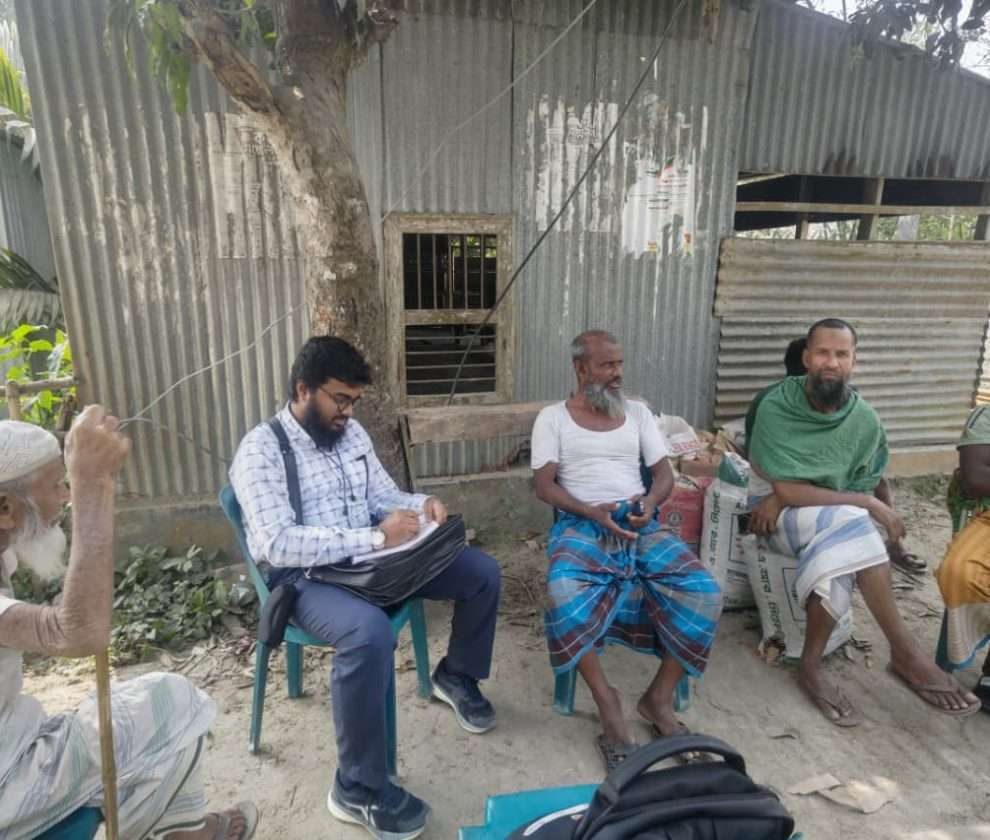
As part of the ongoing national dialogue on sustainable industrial development, the United Nations Industrial Development Organization (UNIDO) organized a high-level roundtable on “Eco-Industrial Parks (EIP) and Sustainable Industrialization in Bangladesh,” bringing together key public sector institutions, development partners, and private sector stakeholders.
UNIDO invited Inspira Advisory & Consulting Limited to participate in the discussion. Naushad Alam, Portfolio Manager at Inspira, represented the organization and contributed to the exchange by sharing insights on advancing circular economy approaches and eco-industrial park practices in Bangladesh.
Bangladesh’s Industrial Park Scenario
At crossroads with globalisation, export competitiveness, and evolving trade requirements
Bangladesh’s industrialisation has evolved through large-scale, rapid, and infrastructure-led expansion. Since 1957, the country has developed eight Export Processing Zones (EPZs) under BEPZA and 94 BSCIC industrial estates across four divisions. This foundation expanded sharply after 2010 with the launch of the Economic Zone programme under the BEZA Act, which set out to establish 100 zones, generate 10 million jobs, and support USD 40 billion in annual exports, alongside a growing portfolio of Hi-Tech Parks under the Bangladesh Hi-Tech Park Authority.
On paper, progress has been substantial. More than 80 economic zone sites have received approval under both public and private sponsorship, with 37 new zones recently cleared and industrial activity accelerating in southern districts following the opening of the Padma Bridge. Yet operational outcomes have lagged behind ambition. As 2025 draws to a close, only around 50 of the 97 approved economic zones are operational, and fewer than ten have reached sustained production. While 122 investment projects are underway, many remain stalled by delays in land acquisition, utility connections, and core infrastructure, resulting in employment of only about 60,000 workers—far below headline targets.
This execution gap becomes clearer when contrasted with the older BEPZA-managed EPZs. In FY 2024–25, EPZs generated over USD 8 billion in exports, accounting for roughly 17 percent of national export earnings, and sustained more than half a million direct jobs. Although EPZs operate under a different regulatory model, their performance highlights the institutional and sequencing challenges facing newer economic zones.
Flagship developments such as the National Special Economic Zone corridor in Mirsarai–Sitakunda–Sonagazi demonstrate strong multi-modal and scale advantages. However, land-readiness delays, utility gaps, and coordination frictions among overlapping zone authorities continue to hinder the conversion of investment interest into industrial occupancy. Global sustainability pressures and rising investor expectations are increasingly exposing these bottlenecks.
Recognising these constraints, the government has recently shifted toward prioritising five high-readiness zones, signalling a pragmatic move from numerical expansion to execution credibility. Bangladesh’s economic zone programme has thus reached a critical inflection point, where policymakers must shift focus from announcing new zones to effectively planning, managing, and integrating existing and emerging parks into a competitive and sustainable industrial ecosystem.
UNIDO GEIPP Benchmarking Snapshot of Bangladesh’s Industrial Parks
Recent benchmarking under UNIDO’s Global Eco-Industrial Parks Programme (GEIPP) paints a clear picture:
| Dimensions | Current Status | Implications for Bangladesh |
| Economic Performance | 67% alignment with global benchmarks | Strong economic performance masks growing structural risks. Without integrating circular economy practices, rising energy costs, water stress, climate exposure, and post-LDC trade pressures may erode competitiveness, particularly for non-export industries. Embedding resource efficiency and shared services is essential to sustain productivity, reduce costs, and attract ESG-aligned investment. |
| Environmental Sustainability | Fragmented and uneven | Factory-level compliance alone is insufficient to address systemic resource constraints. Continued reliance on linear water, energy, and waste systems will intensify environmental risks and regulatory pressure. Park-level circular solutions—such as water reuse, renewable energy integration, waste valorization, and industrial symbiosis—are critical to climate resilience and long-term industrial viability. |
| Social Inclusion | Uneven across parks and regions | Unequal social performance threatens workforce stability, local acceptance, and inclusive growth. Limited gender-responsive infrastructure and weak integration of informal actors represent missed opportunities for job creation and skills development. Linking circular economy initiatives with social inclusion can enhance labor productivity, community relations, and equitable industrial development. |
| Park Governance & Management | Underdeveloped | Weak park-level governance constrains coordinated action, data-driven decision-making, and sustainability service delivery. Without strengthening park authorities as facilitators of environmental, social, and circular economy services, Bangladesh risks fragmented implementation and low scalability of EIP practices. Governance reform is foundational for successful EIP transition. |
This imbalance poses a serious risk in a global economy shaped by resource scarcity, climate vulnerability, carbon-linked trade regulations and ESG-driven investment decisions.
Additionally, most industrial parks in Bangladesh still operate as passive landlords, focused on land allocation, electricity and water supply and some basic compliance enforcement. This model may have supported early industrial growth but it is misaligned with global best practices. So, without systemic reform, Bangladesh’s industrial parks risk becoming costly, inefficient, and non-competitive.
What Modern Eco-Industrial Parks Do Differently
Globally competitive Eco-Industrial Parks (EIPs) function as active ecosystem managers, not just infrastructure providers. They coordinate shared environmental services, manage centralised water, energy, and waste data, enable industrial symbiosis between tenants, facilitate waste valorization and resource recovery and drive collective efficiency and cost reduction. These functions are largely absent in Bangladesh’s current park governance frameworks. Nevertheless, successful transition requires structured frameworks, not ad hoc initiatives when looked at China and Vietnam in comparison. Even Singapore’s Jurong Island is one of the most cited examples, with a centralized waste and water treatment, by-product and energy exchange, and coordinated infrastructure planning. This industrial symbiosis has reduced operating costs, minimized waste, enhanced energy efficiency, and strengthened Singapore’s global competitiveness as a high-value manufacturing hub.
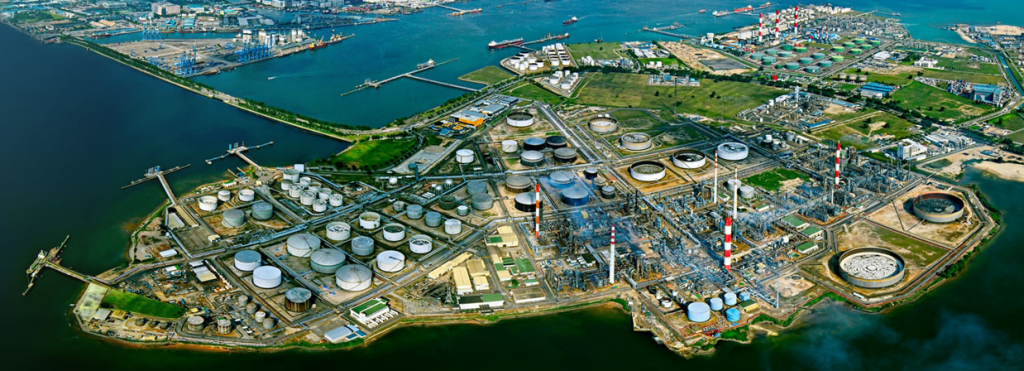
Singapore’s Jurong Island
Recognizing the need to translate these successful but often context-specific models into scalable frameworks for developing and emerging economies, UNIDO and the Swiss State Secretariat for Economic Affairs (SECO) launched the Global Eco-Industrial Parks Programme (GEIPP) in 2019.
The Global Eco-Industrial Parks Programme (GEIPP)
Led by UNIDO with the Swiss State Secretariat for Economic Affairs (SECO), GEIPP has delivered measurable results worldwide with improved resource efficiency, reduced environmental footprints, stronger park governance, increased investment attractiveness.
GEIPP Phase I
Phase I focused on piloting the EIP concept across diverse industrial contexts in seven countries like Ukraine, Egypt, Indonesia, Vietnam, South Africa, Colombia, and Peru. The emphasis during this phase was on capacity building, testing the International EIP Framework, strengthening park governance, and demonstrating the economic, environmental, and social benefits of EIP transformation. Phase I showed that EIPs could deliver tangible outcomes, including reduced energy and water consumption, improved environmental compliance, enhanced worker welfare, and increased attractiveness for responsible investment, without compromising industrial productivity.
GEIPP Phase II and Bangladesh
Launched in 2024, GEIPP Phase II focuses on scaling and replication with Indonesia, Vietnam, South Africa, Colombia, Peru, and Ukraine fully implementing it first. When it comes to the EIP light touch activities in Bangladesh, Cambodia, Moldova, Tanzania and Morocco, it is offering structured methodology without overwhelming resource demands.
According to UNIDO, Bangladesh has selected the country for EIP Light Touch Activities, reflecting both its industrial growth momentum and the need for structured yet pragmatic reform. For Bangladesh, the focus is on policy gap analysis, awareness raising, park-level benchmarking against the International EIP Framework, and targeted capacity building for key institutions such as the Ministry of Industries, BSCIC, BEPZA, BEZA, and BHTPA. At the industrial park level, stakeholders are assessing selected EPZs, EZs, and industrial estates to identify priority gaps and quick-win opportunities in management systems, resource efficiency, environmental performance, and social inclusion. This approach allows Bangladesh to move beyond fragmented, factory-centric sustainability initiatives toward park-wide governance, shared services, and coordinated circular economy solutions.
Four Pillars of the EIP Light Touch Model
- Park Management
- Environmental Development
- Social Development
- Economic Development
Together, these pillars provide a practical roadmap for upgrading both new and existing industrial parks. For Bangladesh, these pillars directly address current weaknesses identified under GEIPP benchmarking, particularly in governance, environmental coordination, and inclusive development, while building on the country’s strengths in manufacturing scale and export orientation.
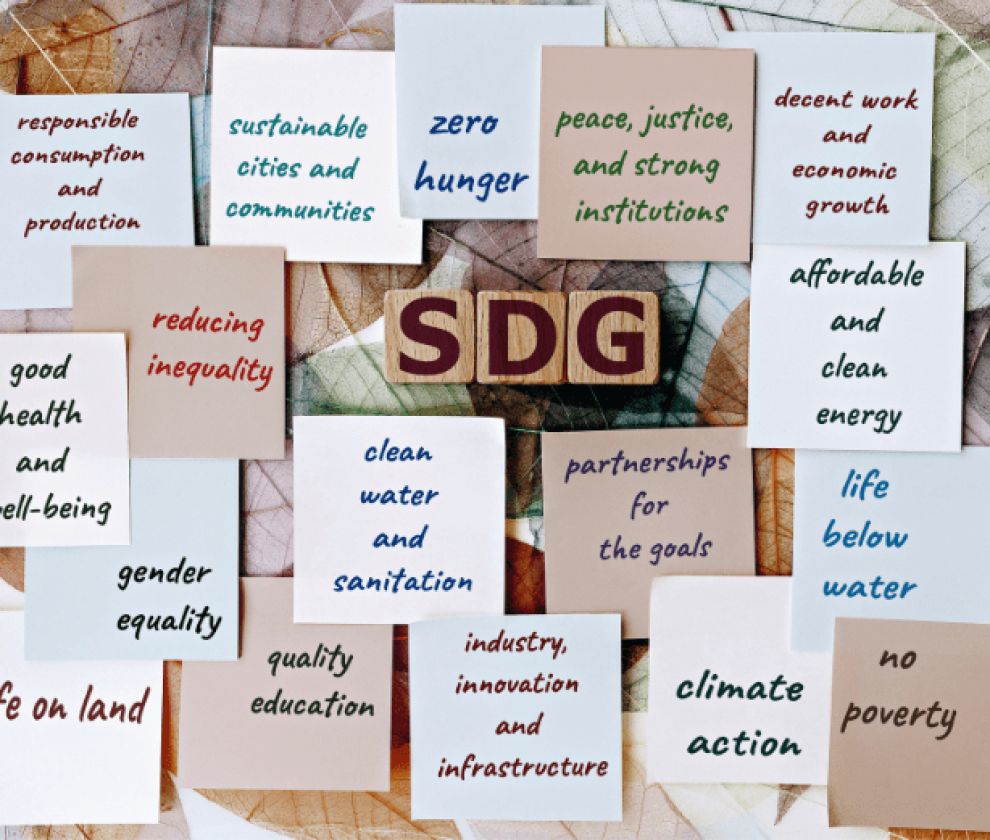
As Bangladesh approaches LDC graduation in 2026, GEIPP Phase II arrives at a pivotal moment. Embedding UNIDO’s EIP standards into industrial policy and park governance can help safeguard export competitiveness amid tightening ESG requirements, rising energy costs, and climate-related risks.By institutionalizing circular economy practices, renewable energy integration, gender-responsive infrastructure, and data-driven park management, the GEIPP Light Touch initiative positions Bangladesh’s industrial parks to transition from growth-driven zones to resilient, investment-ready, and globally competitive eco-industrial ecosystems, aligned with the Sustainable Development Goals and Fourth Industrial Revolution priorities.
Ultimately, is Bangladesh truly ready for the eco-industrial transition? While policy momentum is building and frameworks like UNIDO’s GEIPP provide clear direction, the real challenge lies in preparedness on the ground. For authorities such as BEZA, BEPZA, BSCIC, and BHTPA, strengthening park-level regulations, upgrading governance models, and enabling shared sustainability services can directly improve the ease of doing business and attract higher-quality investment. Clear EIP-aligned policies, streamlined approval processes for renewable energy and circular infrastructure, and data-driven park management can lower operational risks for investors while enhancing Bangladesh’s credibility in ESG-sensitive global markets. For industrial developers and manufacturers, this shift unlocks cost savings, access to green finance, preferential buyer relationships, and resilience against carbon-linked trade measures. The next phase of industrial growth will depend not on land availability, but on how effectively authorities manage and regulate parks and position them as investment-ready, low-carbon production hubs, making EIP implementation a strategic lever for national trade competitiveness and private-sector growth.